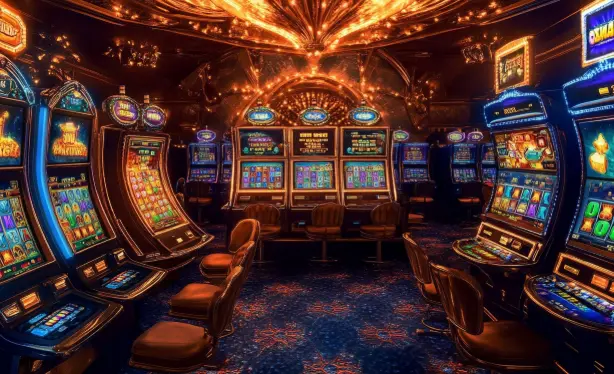
How Do Casino Alcohol Policies Work?
Casino floors operate under one of the most tightly regulated hospitality environments on earth, and casino alcohol policies sit at the intersection of gaming law, liquor licensing, and player-protection doctrine. Unlike a standard bar or nightclub, a casino must simultaneously satisfy gambling regulators, state or tribal liquor authorities, and internal responsible-gaming mandates — often in the same square footage. 🎲 The result is a layered compliance framework that determines where drinks can be served, who can be served, how often, and under what conditions service can be suspended or terminated entirely.

The Dual Licensing Architecture Behind Beverage Service
Every legal casino operates under at least two distinct licenses: a gaming license issued by a gaming control board or tribal gaming commission, and a liquor license issued by a state or local alcohol beverage control agency. These two regimes do not always align. A gaming regulation may require that intoxicated patrons be removed from the floor, while a liquor regulation may impose liability on the establishment for over-serving. Compliance officers therefore treat beverage service as a regulated gaming activity, not a hospitality perk. Casino beverage managers are typically trained in both the state alcohol server certification program and the property's internal gaming-compliance manual, and they document every service refusal in an auditable log.
Complimentary Drinks and the "Free Pour" Economy
Complimentary beverage service is the most misunderstood element of casino alcohol policies. Many jurisdictions permit casinos to serve alcohol without charge to actively gaming patrons, but that exemption from payment does not exempt the property from over-service liability. Surveillance teams monitor pour sizes, service frequency, and patron behavior in real time. Cocktail servers on the floor are required to track consumption across multiple stations, which is why a single server rarely serves the same guest repeatedly over an extended session. Some properties deploy electronic monitoring systems that flag a player's account once a defined drink threshold is reached, prompting a mandatory manager review before any further service. 🥃

Intoxication Cut-Off Protocols and Gaming Floor Removal
When a patron shows signs of intoxication, casino policy typically triggers a formal escalation sequence: server notification to a floor supervisor, supervisor assessment, and either a service pause or a full stop. A full stop generally requires the patron to be escorted off the gaming floor, and in many jurisdictions the property must file an incident report with the gaming regulator. Security personnel are trained to distinguish between a guest who is merely animated and one who is legally intoxicated, using observable indicators such as slurred speech, unsteady gait, and impaired judgment at the table. Refusing service to a high-value player is a commercially uncomfortable but legally mandatory decision, and regulators audit these refusals during license renewal reviews.
Time-of-Day Restrictions and Jurisdictional Variance
Alcohol service hours in casinos vary dramatically by jurisdiction. Some markets permit 24-hour service on the gaming floor, while others impose mandatory cut-offs that mirror local bar closing times. Tribal casinos on sovereign land may set their own service hours under a compact negotiated with the state, creating a patchwork of rules even within a single metropolitan area. International markets add further complexity: Macau, Singapore, and several European jurisdictions apply distinct responsible-gaming standards, advertising restrictions, and server-training requirements. Operators expanding across borders must build jurisdiction-specific beverage compliance playbooks rather than relying on a single global policy.
Liability, Insurance, and Regulatory Exposure
Dram shop liability — the legal doctrine holding a serving establishment responsible for harm caused by an intoxicated patron — applies to casinos in most common-law jurisdictions. A single over-service incident that leads to a traffic accident or a gaming-floor altercation can trigger civil damages, regulatory fines, and in severe cases license suspension. Casino insurers typically require documented server training, incident logging, and surveillance retention as conditions of coverage. This is why beverage compliance is treated as a risk-management function rather than a customer-service function, and why internal audits of service logs are conducted weekly at most large properties. 😎
Technology, Surveillance, and Real-Time Enforcement
Modern casino floors integrate beverage service into the broader surveillance and analytics ecosystem. RFID-enabled loyalty systems can correlate drink orders with play time, allowing compliance teams to identify irregular service patterns. Camera operators are trained to watch both table games and bar stations, and footage is retained for a defined period to support any subsequent regulatory inquiry. Some properties now use predictive analytics to flag guests whose play behavior suggests escalating intoxication risk, enabling proactive intervention before a formal cut-off becomes necessary. As gaming regulators worldwide tighten responsible-gaming standards, the technology layer around beverage service will continue to expand, turning what was once a hospitality courtesy into a data-driven compliance discipline.