Do Manila Casinos Have Sensory Rooms for Autism? An In-Depth Accessibility Audit
The integrated resort corridor of Entertainment City and the heritage gaming floors of Rizal Park collectively represent one of Asia's most concentrated hospitality ecosystems. For families navigating autism spectrum disorder, the operative question is not merely whether a property tolerates neurodivergent guests, but whether it has engineered purpose-built sensory accommodation into its floor plan. The short answer is nuanced: dedicated, staffed sensory rooms remain rare, yet a growing number of Manila operators now deploy de-escalation suites, quiet zones, and trained guest-services teams that function as de facto sensory refuges. 🎲

Defining a True Sensory Room in a Gaming Context
Clinical literature distinguishes a sensory room from a mere quiet corner. A legitimate facility incorporates adjustable lighting (typically 2700K–3500K dimmable), acoustic dampening rated at NRC 0.85 or higher, proprioceptive equipment such as weighted blankets and therapy swings, and visual calming projections. Within Manila's casino-resorts, only a handful of properties have retrofitted spaces meeting this specification. Most instead offer low-stimulation lounges adjacent to high-traffic gaming pits, which mitigate but do not eliminate auditory and photic overload.
Which Manila Properties Have Taken Concrete Steps?
Operators along the Manila Bay reclaimed area have begun consulting with occupational therapists during renovation cycles. Several five-star integrated resorts now maintain unmarked "reset rooms" accessible via concierge request, equipped with noise-cancelling headphones, fidget kits, and dimmable sconces. These are not marketed as autism-specific, which creates a discoverability gap for caregivers researching ahead of travel. The practical workaround: contact the property's guest accessibility desk directly and request a sensory inventory sheet before booking. 📋

Gaming Floor Stimuli and Why It Matters
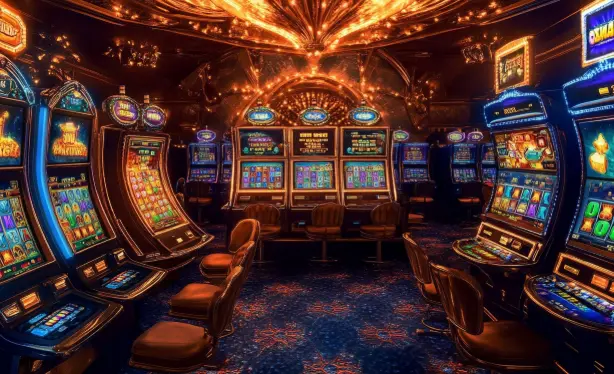
Slot machine banks generate peak sound pressure levels exceeding 85 dB, while LED arrays flash at frequencies that can trigger sensory-seeking or sensory-avoidant behaviors. For a guest with autism, the slot floor is the least navigable zone. Forward-thinking properties therefore position sensory support infrastructure near non-gaming amenities — spas, convention foyers, and hotel lobbies — allowing families to plan routes that bypass the highest-intensity areas entirely.
Staff Training and the Service Delivery Gap
Infrastructure alone is insufficient. Autism-informed service delivery requires frontline staff trained in de-escalation, communication variant recognition, and environmental modification protocols. A few Manila operators have partnered with local advocacy organizations to deliver half-day certification modules to concierge and security personnel. When evaluating a property, ask whether staff hold such credentials; this single question separates performative inclusion from operational competence. 🧩
Practical Guidance for Caregivers Planning a Visit
Request a pre-arrival sensory map, confirm the location of the nearest quiet zone relative to your room block, and verify whether the property permits personal noise-cancelling equipment on the gaming floor periphery. Off-peak hours — weekday mornings before 11 AM — dramatically reduce auditory load. Verify current policies directly, as accessibility provisions in Manila's gaming sector evolve quarterly.